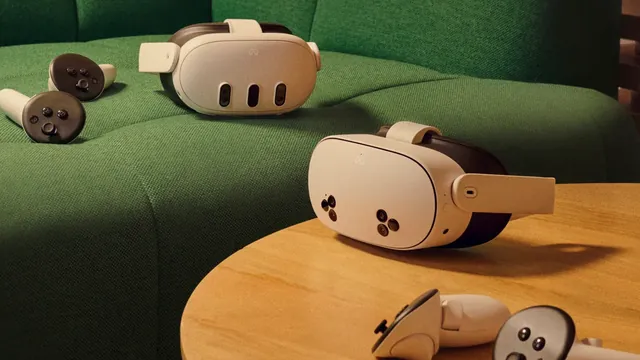
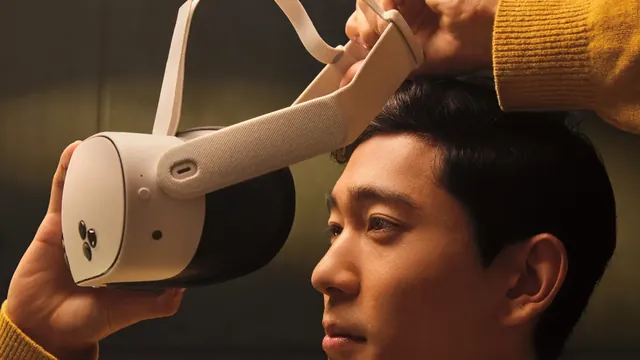
Is VR bad for your eyes? What eye doctors say and what age kids can start
Parents' number one question, answered with studies instead of fear: what damage isn't proven, which discomforts are real and what ages the manufacturers set.
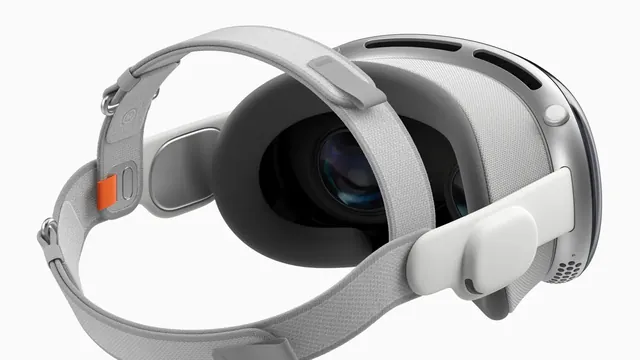
The short answer: there's no evidence of permanent damage
The American Academy of Ophthalmology (AAO) is clear: there's no reason to believe VR headsets damage eye development, health or function. Its pediatric ophthalmologist Stephen Lipsky puts it this way: “Age limitations for VR technology might make sense for content, but as far as we know, this technology poses no threat to the eyes.”
The fine print matters too: there are no long-term studies following people through years of daily use. What we have are short studies and broad experience with screens in general, and none of it has found permanent harm.
What does happen: tired, dry eyes and some dizziness
Not harmful doesn't mean comfortable. We blink less than usual in front of any screen, and headsets are no different: the surface of the eye dries out and you get that tired or burning feeling. It goes away with rest, but it's real.
The other common complaint is motion sickness. It shows up when your eyes see movement your body doesn't feel, for example when you move with a thumbstick while sitting on the couch. That's why games where you physically walk tend to cause less nausea than games that move you artificially.
What the study with 50 kids found
The most cited work on this comes from researchers Lawrence Tychsen and Paul Foeller, and the AAO covered it in 2020. They tested a headset with 50 children averaging 7 years old, who played two 30-minute sessions of a 3D flying game. Forty-six finished the study.
They found no significant changes in visual acuity, prescription, eye alignment or depth perception. There was a slight increase in fatigue, eye and neck discomfort and some motion sickness, and 3 kids stopped early due to discomfort or boredom. Their conclusion: young children seem to tolerate immersive 3D play well. The authors themselves note the sample was small and the follow-up short.
What age can kids start using VR?
It depends on the manufacturer. Meta allows Quest use from age 10, with parent-managed accounts for ages 10 to 12. Sony recommends PS VR2 for ages 12 and up, and Apple recommends Vision Pro for 13 and up. Those ages are about fitting smaller heads, content and social features, not proven harm to eyesight.
One group should check with a doctor first: the AAO notes that kids with lazy eye (amblyopia), strabismus or focusing problems may not perceive the 3D effect properly and are more likely to get headaches or eye fatigue. In those cases, ask a pediatric ophthalmologist.
How to use VR without sore eyes: 7 simple rules
One, keep sessions short and take breaks: several short rounds beat one marathon. Two, adjust the fit and lens spacing carefully, because a blurry image is more tiring. Three, if you wear glasses, keep them on: the AAO recommends wearing them, and many headsets have room for glasses or prescription lens inserts.
Four, stop as soon as you feel dizzy instead of pushing through. Five, play in a clear or supervised space. Six, clean the lenses before you start. And seven, skip VR when you're exhausted or sick, and always supervise younger kids.
What we still don't know
The available studies are few, with small groups and sessions measured in minutes, not years. The honest advice is common sense: moderate use, regular breaks and paying attention to your body. This article is for information only and doesn't replace advice from an eye doctor.
FAQ
Does VR damage your eyesight?
According to the American Academy of Ophthalmology, there's no evidence headsets harm eye development or health. They can cause temporary eye fatigue and dryness.
What age is VR safe for?
It depends on the headset: Meta Quest from age 10 with a parent-managed account, PS VR2 from 12 and Apple Vision Pro from 13. Each maker sets its own limit, so check the one on the box before you buy.
Can you use VR with glasses?
Yes. The AAO recommends wearing your glasses inside the headset, and many models have room for them or offer prescription lens inserts.
Why does VR make you dizzy?
Because your eyes see motion your body doesn't feel. That's why moving with a thumbstick causes more nausea than physically walking.