PlayStation Pulse wireless headset: $99.99, out November 19, 2026
The cheapest planar-driver headset Sony has made lands on GTA VI day, and it skips three things the pricier Pulse Edge keeps.
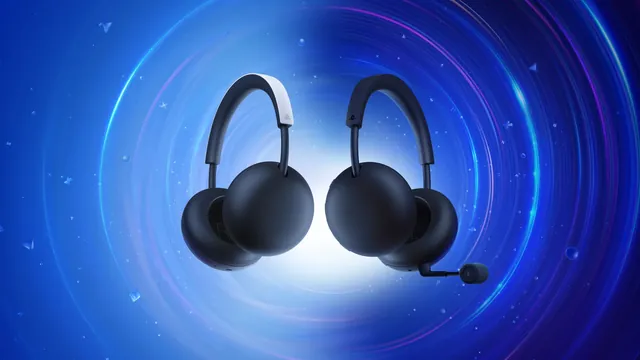
The PlayStation Pulse wireless headset costs $99.99 in the US and goes on sale November 19, 2026, in White and Midnight Black. It is Sony's new entry-level PS5 headset: custom planar magnetic drivers, PlayStation Link and Bluetooth at the same time, a built-in mic with AI noise rejection and up to 30 hours of battery. It works with PS5, PlayStation Portal, PC, Mac and phones, and the USB-C PlayStation Link adapter comes in the box. Pre-orders opened October 29 on PlayStation Direct and at participating retailers.
That makes it the cheapest planar-driver headset Sony sells, $50 under the Pulse Elite's $149.99 launch price. Below are the launch details, what the Pulse gives up next to the Pulse Elite and the coming Pulse Edge, and how it connects to each device you own.
PlayStation Pulse price and release date
Sony set the date and price in an October 21, 2026 update to its first announcement, made September 15. The Pulse is the first model of the refreshed lineup to ship; the Pulse Edge follows in early 2027.
| Region | Price | Release |
|---|---|---|
| United States | $99.99 | November 19, 2026 |
| United Kingdom | £89.99 | November 19, 2026 |
| Eurozone launch countries | €99.99 | November 19, 2026 |
| Japan | ¥15,980 | November 19, 2026 |
The first wave covers 24 countries: the US, Canada, Australia, New Zealand, Japan, the UK, Ireland, Israel, Ukraine and 15 other European countries. Sony says other countries get a date later. In the US, PlayStation Direct took pre-orders from 7:00 a.m. PT (10:00 a.m. ET) on October 29, and participating retailers sell it as well. Both colors cost the same.
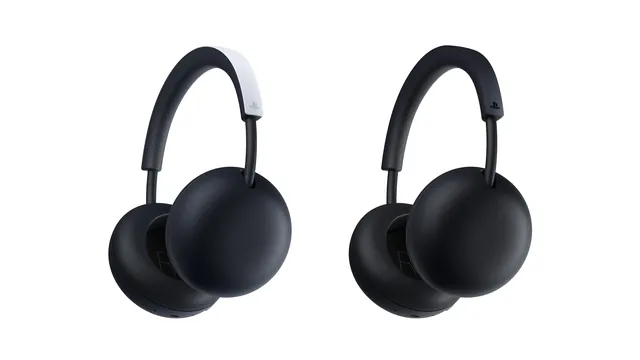
What planar magnetic drivers mean on the Pulse
Most gaming headsets use dynamic drivers: a cone pushed back and forth by a coil, much like a small speaker. A planar magnetic driver instead drives a thin, flat film placed between magnets, so the whole surface moves at once. Sony calls its version studio-inspired and says it reproduces sound with near-perfect accuracy across the audible range, which in a shooter means footsteps and reloads you can place by direction.
Sony first used planar drivers in the Pulse Elite headset in 2024. For the Pulse, it made the drivers larger than the Elite's, which it says gives fuller, deeper bass without losing the clean sound of the older model. Each Pulse driver uses four magnets. The Pulse Edge doubles that to eight per driver, Sony's main reason for calling the Edge its richer-sounding model.
On a PS5 the Pulse is tuned for Tempest 3D AudioTech, the console's 3D audio system, which places sounds above, below and behind you in supported games. 3D audio is switched on in the console's sound settings.
PlayStation Pulse vs Pulse Edge vs Pulse Elite
Sony now has three over-ear wireless headsets in its PS5 range. The Pulse Elite stays on sale next to the new pair.
| Feature | PlayStation Pulse | Pulse Edge | Pulse Elite |
|---|---|---|---|
| US launch price | $99.99 | Not announced | $149.99 |
| Release | November 19, 2026 | Early 2027 | 2024 |
| Magnets per planar driver | 4 | 8 | Not listed |
| Microphone | Built in, AI noise rejection | Detachable boom, hidden mic when detached | Retractable boom |
| Active noise cancelling | No | Yes | No |
| Headphone and mic jack | No | Yes | Not listed |
| Carrying case | No | Yes | Not listed; a charging hanger instead |
| PlayStation Link adapter | Included, USB-C | Included, USB-C | Included |
| Battery | Up to 30 hours | Not announced | Up to 30 hours |
Sony's comparison chart also gives the Edge a built-in game audio and chat balance control on the headset itself. The Pulse adjusts volume on the headset and handles chat balance and presets through its controls together with the PS5's on-screen menus.
The Elite keeps two extras that the new Pulse doesn't advertise: its retractable boom mic and quick charging, rated at up to 2 hours of play from a 10-minute charge. The Pulse answers with larger drivers and earcups that rotate flat.
What the PlayStation Pulse headset works with
Sony lists five kinds of device: PS5 consoles, the PlayStation Portal remote player, Windows PCs, Macs and mobile devices. Two radios inside the headset get it there.
- PlayStation Link, Sony's own wireless technology, which it describes as lossless and ultra-low latency. The PS Link USB adapter in the box plugs into a PS5, a PC or a Mac and carries a USB-C connector. PlayStation Portal has PS Link built in and needs no adapter.
- Bluetooth, for phones and tablets. It can stay connected while PS Link is in use, so a call or music from a phone plays over your game audio from the PS5 without switching anything by hand.
| Device | How it connects | What you need |
|---|---|---|
| PS5 and PS5 Pro | PlayStation Link | The included USB adapter |
| PlayStation Portal | PlayStation Link | Nothing; it is built in |
| Windows PC or Mac | PlayStation Link | The included USB adapter |
| iPhone, Android phone or tablet | Bluetooth | Nothing |
PS Link also lets the headset move between devices that support it. Hop from a PS5 in the living room to a Portal in bed and the same headset follows. A second adapter, sold on its own by PlayStation Direct, saves moving one dongle between a console and a desk PC.
Portal owners get the most out of this. Sony's Portal page names wired headsets and PlayStation Link devices for its audio, not ordinary Bluetooth earbuds, so PS Link is the wireless route. We cover the Portal's other audio limits in our guide to playing GTA 6 on PlayStation Portal.
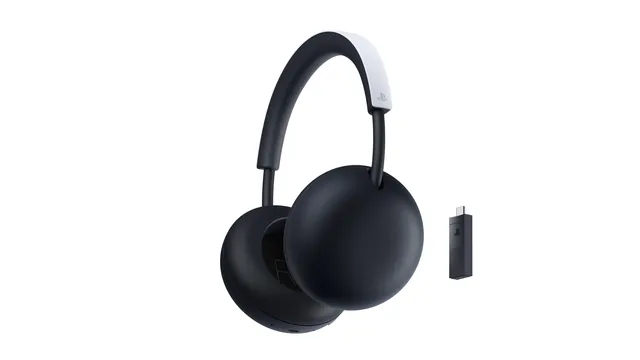
Battery life and what's in the box
Sony rates the Pulse at up to 30 hours of wireless audio, chat or music on one charge. That figure comes from pre-production hardware connected over PlayStation Link, and Sony warns that settings and use change it. In practice that is several long gaming nights between charges.
The box holds three things:
- The PlayStation Pulse wireless headset
- The PlayStation Link USB adapter with a USB-C connector
- A user manual
PlayStation Direct's box list doesn't mention a charging cable or a case, so keep a charging cable of your own at hand. The earcups rotate to lie flat, which makes the headset easier to pack in a bag even without a case.
Does the Pulse arrive in time for GTA 6?
Yes, to the day. Grand Theft Auto VI unlocks on PS5 in a rolling midnight launch, country by country, on November 19, 2026, the same date PlayStation Direct lists for the Pulse. Sony says GTA VI is the most pre-ordered game in PlayStation Store history and opened pre-loading on November 10. A pre-ordered headset that ships for launch day may still reach you later than a digital game that unlocks at midnight, so check your order's delivery estimate rather than the release date alone. Our story on the GTA 6 release time has the unlock schedule by time zone.
Treat the Tempest 3D tuning as a PS5-wide feature: it works in games that support 3D audio, and Sony's headset pages make no promise about any single game.
Should you buy the Pulse or wait for Pulse Edge?
The choice comes down to the room you play in and the voice chat you use.
Buy the Pulse if you play in a quiet room, mostly on a PS5 or a Portal, and want planar drivers for the least money Sony has asked for them. For $99.99 you also get PS Link, Bluetooth and a 30-hour battery.
Wait for the Pulse Edge if any of these matter:
- Noise. Active noise cancelling, which uses microphones to cancel steady background sound such as a fan or a train, is on the Edge only.
- Voice chat in a team game. A boom mic sits closer to your mouth than a mic built into the earcup. The Edge's detaches, and a hidden mic takes over when it is off.
- Wired use. The Edge has a headphone and mic jack for devices without PS Link or Bluetooth. The Pulse has none.
- Travel. The Edge comes with a carrying case.
Sony hasn't announced the Edge's price. Sony pitches it as the premium model, with premium materials and double the magnets, and promises launch details next year.
Owners of a Pulse Elite gain little from switching. Both run up to 30 hours on a charge and both connect over PS Link and Bluetooth at the same time. The Pulse's larger drivers are the main audio difference, and the Elite's boom mic still beats a built-in one for chat.
If you are building a PS5 setup from scratch this holiday, our PS5 vs PS5 Pro comparison covers the console side; every model in the Pulse family works with both.
FAQ
Does the PlayStation Pulse headset work on PS4?
Sony lists PS5, PlayStation Portal, PC, Mac and mobile devices as compatible and does not name PS4. Its Bluetooth link pairs with phones and tablets, while the PlayStation Link adapter is the route for consoles and computers.
Can I buy a second PlayStation Link adapter?
Yes. Sony sells the PlayStation Link USB adapter on its own through PlayStation Direct, so one headset can stay plugged into both a PS5 and a desk PC without moving the dongle.
When does Pulse Edge come out?
Sony says early 2027 and will give its price and date closer to launch. It shares the Pulse's colors and connections but adds noise cancelling, a detachable boom mic, a carrying case and a headphone jack.